Brawlbox Legends Tier List
S–C framework by mode using archetypes that survive weekly patches.
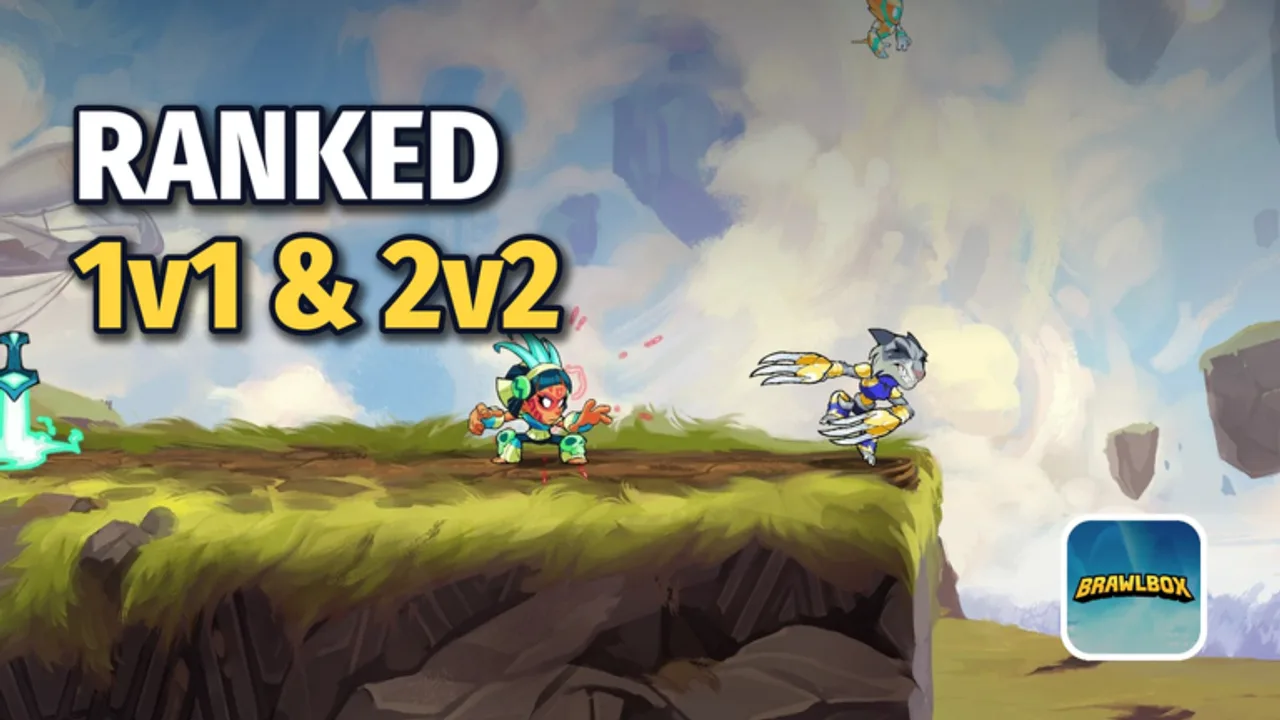
This Legends Tier List turns the Tier List Hub rules into a practical S / A / B / C framework for Brawlbox. Rankings are organized by archetype and mode so advice stays useful while Temp’s Workshop ships weekly updates across a roster of about 70 legends. We intentionally do not invent official character names—open your in-game select screen for the live list, then map each fighter into the buckets below.
Combat fantasy reminder: Brawlbox is a 2D platform fighter about knocking opponents off stage with impact / knockback tools. Recovery, edgeguards, and confirm consistency matter as much as raw damage.
How to use this page
- Pick the mode you care about (casual, ranked 1v1, ranked 2v2).
- Find the archetype that matches your legend’s weapons and moves.
- Read the tier rationale and practice notes.
- After each patch, retest—then adjust one tier up or down at most unless the patch notes scream otherwise.
- Cross-check Legends Roster for selection and lab routines.
Tier definitions (quick refresh)
- S — Excellent tools; strong in skilled hands; worth dedicated lab time
- A — Clearly viable; small weaknesses; great ranked continuity picks
- B — Playable; needs matchup knowledge or specific stages
- C — Higher friction; still valid for love mains and niche strategies
Ranked 1v1 framework
| Archetype | Baseline tier band | Why |
|---|---|---|
| All-rounder | S–A | Clean neutral, workable recovery, flexible confirms |
| Zoner | A–S | Controls approach lanes; drops if cornered without escape |
| Heavy | A–B | Huge payoff on reads; loses to constant kiting if impatient |
| Speedster | A–B | Explosive punish game; volatile disadvantage |
| Trickster / setplay | B–A | High ceiling; weaker if setups are interrupted |
1v1 practice priorities
- Lab two kill confirms at realistic percents
- Practice recovering against a friend who edgeguards aggressively
- Drill whiff punishment for five minutes before ranked
- Review one replay focusing only on neutral resets
Ranked 2v2 framework
| Pairing idea | Tier outlook | Notes |
|---|---|---|
| All-rounder + Heavy | S–A | Stabilizer plus finisher |
| Zoner + Speedster | A | Space creation plus chase |
| Double All-rounder | A | Simple callouts, easy swaps |
| Double Speedster | B–C | Fun but fragile if both get popped |
| Trickster + Zoner | A–B | Setups with cover fire |
| Double Heavy | B | Hard hits, weak mobility vs kiting duos |
Callouts beat raw labels. Agree who holds ledge and who holds center before game one.
Casual / up-to-8 lobby framework
Chaos favors:
- S-leaning: legends with forgiving recoveries and wide disrupt hitboxes
- A-leaning: zoners who can farm chip while others fight
- B/C-leaning: ultra-linear glass cannons that die first in third-party storms
Play for fun, but still practice habits that transfer to ranked—do not learn bad DI just because lobbies are silly.
Stage and platform modifiers
- Small stages inflate heavy kill power
- Large stages reward zoners and patient all-rounders
- Touch controls may lower the practical tier of high-precision tricksters
- Console / PC players should still warm up after patches—input lag feelings change with performance fixes
Example “pocket” constructions (no fake names)
Ranked climber set
- Main: all-rounder (A/S)
- Secondary: zoner (A)
- Emergency: heavy (A/B) for stubborn campers
Weekend casual set
- Main: speedster you enjoy
- Secondary: trickster for custom lobbies
- Anchor: all-rounder when freestyling gets punished
Tournament code weekend
- Lock a 2v2 pairing from the table above
- Lab double edgeguards for twenty minutes
- Agree on timeout rules and who takes last-hit risks
What moves a legend up a tier
- Faster or safer recovery
- More reliable kill confirm
- Better projectile / trap reliability in 2v2
- Stronger disadvantage escapes
What moves a legend down a tier
- Recoverable hurtboxes that eat two-frame edgeguards
- Nerfed knockback that breaks old confirms
- Slower startups that lose to common jabs
- Tools that only worked before a networking fix
Track those swings on Patch Notes and the Updates Hub.
Anti-patterns this list refuses
- Publishing a counterfeit 70-row name table
- Copying another franchise’s tiers wholesale
- Ranking solely on damage numbers
- Ignoring touch and controller audiences
- Pretending scripts can “force S tier”—see Scripts
Related reading
- Tier List Hub — philosophy and criteria
- Players Hub — roster overview
- Legends Roster — archetype deep dive
- Getting Started — fundamentals before optimizing
- Codes Hub — unrelated to power, but check after events
Treat this legends tier list as a living rubric. Your client’s select screen is the roster; this page is the grading key. Re-grade weekly, stay honest, and main the archetypes you will actually lab.
Frequently Asked Questions
Quick answers about legends, ranked, and codes.
Why are tiers by archetype instead of character names?
Weekly updates and a large roster make fabricated name lists misleading. Map your live legends onto archetypes for advice that stays accurate.
What is the best tier for ranked beginners?
All-rounders in the S–A band. They teach neutral and recovery without extreme execution taxes.
Do 2v2 tiers match 1v1?
Not always. Pairings and cover tools matter in duos. Use the 2v2 table when you queue with a partner.
How often should I change my main based on tiers?
Prefer small adjustments after patches. Switching every day prevents mastery—even on S-tier kits.
Can cosmetics or codes raise a legend’s tier?
No. Cosmetics are visual. Codes—if any—grant rewards, not hidden competitive buffs.